
Unlocking the Potential of Mesenchymal Stem Cells: A New Era in Regenerative Medicine
In the realm of modern medicine, the exploration of stem cells has opened doors to innovative therapies that promise to change the landscape of healthcare. Among the most promising are mesenchymal stem cells (MSCs), which possess unique properties that allow them to regenerate tissues, combat disease, and potentially revolutionize treatments for various conditions.
Understanding Mesenchymal Stem Cells
What are Mesenchymal Stem Cells?
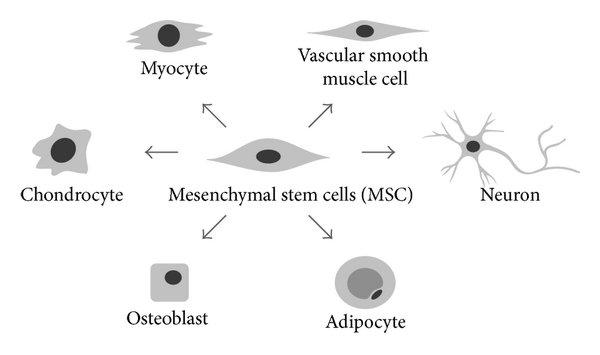
Mesenchymal stem cells are a remarkable type of stem cell known for their ability to self-renew and differentiate into multiple cell types. These include adipocytes (fat cells), osteocytes (bone cells), chondrocytes (cartilage cells), and even nerve and muscle cells. Unlike other stem cells, MSCs are relatively easy to obtain and come with fewer ethical concerns, making them a valuable resource in medical research and treatment.
Unique Properties of MSCs
One of the defining characteristics of MSCs is their multipotency—the ability to develop into several different specialized cell types. Moreover, they exhibit immune-boosting and anti-inflammatory properties, providing additional therapeutic benefits. This combination of traits has led researchers to investigate their potential in various medical applications.
The Clinical Promise of MSCs
A Growing Field of Research
With over 3000 clinical trials underway, mesenchymal stem cells are showing significant promise in treating conditions such as diabetes, multiple sclerosis, heart disease, and liver damage. The versatility of MSCs opens the door to new therapeutic approaches, allowing for treatments that could change the standard of care for many patients.
Conditions Treated with MSCs
In the field of regenerative medicine, MSCs have gained attention for their potential to address a range of conditions, including:
- Renal Failure: MSCs may help improve kidney function and support healing in kidney tissues.
- Cirrhosis: Research suggests that MSCs can promote liver regeneration and function.
- Fertility Issues: MSCs may play a role in addressing various reproductive challenges.
- Osteoporosis: These cells could aid in the regeneration of bone tissue.
- Ischemic Heart Disease: MSCs are being investigated for their potential to restore heart function after ischemic events.
The Source of MSCs: Wharton’s Jelly
What is Wharton’s Jelly?
Wharton’s jelly is the gelatinous substance found within the umbilical cord that surrounds and protects the umbilical vessels during pregnancy. Upon delivery, the umbilical cord is often discarded along with the placenta, but researchers have identified Wharton’s jelly as a rich source of potent mesenchymal stem cells. These stem cells can be collected and stored for therapeutic use, providing a potentially limitless resource for regenerative medicine.
Safety and Efficacy of MSCs
Proven Safety Record
The safety of MSCs has been well-documented, with extensive research showing that their application poses minimal risks. Notably, studies published in 2017 involving various patient populations (including those with lumbar degenerative disc disease and chronic stroke) demonstrated that expanded MSC transplantation was safe, with no severe side effects reported over follow-up periods ranging from one year to six years.
Quality Control Programs
Ensuring the safety and effectiveness of MSC therapies is paramount; therefore, rigorous Quality Control Programs (QCP) are implemented. These programs are designed to detect microbiological contamination and comply with regulatory standards, including:
- Sterility Testing
- Gram Staining
- Mycoplasma Detection
- Endotoxin Assays
- Viral Testing for HIV, Hepatitis B and C, Cytomegalovirus, and more
Embracing the power of MSCs
Mesenchymal stem cells represent a frontier in regenerative medicine, offering the potential for groundbreaking treatments that could improve and even save lives. Their unique abilities to differentiate into various cell types and their proven safety record make them an exciting area of research. As scientists continue to unlock the mysteries of MSCs, we can expect an influx of innovative therapies that will transform the way we approach disease and recovery. Embracing the power of mesenchymal stem cells could lead to a new era in healthcare—one where healing is not just an aspiration but a reality for countless patients around the globe.
